What’s in my box this week?
Click on your delivery date to see what is in your box this week. Note that the web site is updated daily to reflect the NEXT day’s deliveries but before that, will show the information from the previous week. You can check an earlier day in the week to get an idea of what will be in your box, but the contents of your box may be different as the box contents frequently change between days.
Tuesday: April 14
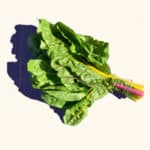
- chard
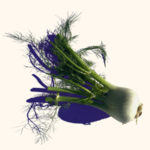
- fennel

- frisée
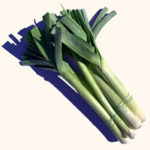
- leeks

- lettuce

- mandarin oranges
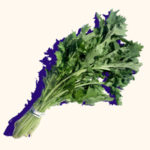
- mizuna
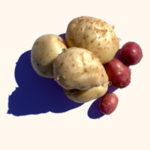
- potatoes
*Click on produce above for Recipes
Flower of the Week: snapdragons
Veggie Tips
Chard – Store in the refrigerator in a bag to keep from wilting. Make sure not to discard the stems, as some recipes will tell you to do, they’re the most flavorful part of the plant and have a great texture. You can make something separate with the stems, like pickles, pasta, or braised with beans. Or just chop into small pieces and add a little sooner to your dish when cooking. Chard is related to beets and spinach, which explains the similar taste and appearance. You can use chard in a recipe for spinach (cook more) or other hearty greens like kale (recipe ideas here), just cook less. Most people cook their chard (it’s excellent in a simple sauté or frittata) or in stews or soups (lots of good ideas on our website, plus this site), but it can be eaten raw in a salad (like this recipe with breadcrumbs, this one with apples, or a Greek salad) or slaw. Or make pesto!
Fennel – Fennel is popular thinly shaved and added to a salad, especially with oranges (or mandarins), olives, and other acidic or briny foods, like olives, capers, or with onions and cheese. You can also make a quick pickle (lots of variations, including with carrots or orange zest). If you don’t like the taste of it raw, try cooking (roasting, braising, sautéing, etc.) which will transform the taste – cooked fennel tastes like a combination between onion and celery. It makes a great base for soup or stew (try potato and leek, or make one with chard, beans, or miso) and we really like it braised (add chard) or roasted with other vegetables, like carrots or potatoes (try this recipe or this one). Try adding it to a Spanish potato tortilla. For easier storage, separate the fronds from the bulb. For the fronds: many people like making a fennel frond pesto (you can make a roasted pesto too), or using it like an herb when cooking. Or save the stalks and fronds for stock/broth or dal. We’ve got several recipes on our website.
Frisée – Also called “curly endive,” it’s got fun, frilly leaves, and a slightly bitter flavor that pairs well with strong, bold flavors (cheese, vinaigrettes, oranges, dried fruit, cured meats, eggs, etc.). It’s most commonly used in salad mixes or you can have a frisée only salad, like the Recipe of the Week. See here for some additional salad ideas or add roasted potatoes, potatoes and leeks, fennel, or shaved carrots! It can also be wilted (make a warm salad!) or sautéed to mellow its bitterness. It can also be stir-fried or added to soups, like escarole (another member of the endive/chicory family). CSA members have recommended grilling it (cut into quarters, put a little olive oil and salt, grilled a few minutes on each side, then added vinaigrette), and this salad. Additional ideas here. What are your favorite ways to enjoy frisée? Let us know! Store in a bag in the refrigerator.
Leeks – Be sure to rinse well, or put cut leeks in a bowl of water to remove the dirt and grit that can get stuck between the leaves (more cutting and cooking advice here). Leeks are so versatile and can be used as the base for cooking any dish, but they can also feature more prominently. See the many great ideas on our website and you can also learn more about our leeks here. They are great in soup, including the classic potato-leek, or add fennel! We love caramelized or braised leeks (like this) and they can also be grilled, pickled, sautéed, or roasted. Try roasting them whole like in this recipe. People often don’t cook with the tougher green tops but don’t discard. You can braise them or save for veggie stock or make leek oil to drizzle over soups, stews, bread, or roasted veggies! Store leeks in the refrigerator, wrapped in a bag to retain moisture (and to prevent your refrigerator from smelling like leeks) where they’ll last for two weeks or so.
Lettuce – Make a salad, or add some leaves to a sandwich. It turns out there’s a serious debate about the best way to dress a salad, and some serious pros have done some experiments (more here). The summary: for less wilting and a more balanced salad, either premix your dressing (with a surfactant like mustard) or if you’re mixing the dressing in the bowl, add the vinegar before the oil. If you need some recipe ideas, head to the lettuce or salad pages on our website, and you can get some non-salad ideas here. Store in the refrigerator. If not eating within a day or two, transfer to a plastic bag, or put the waxed paper bag in plastic, to avoid wilting. If your lettuce does get a little wilted, follow this tip for reviving it. You also want to make sure the leaves aren’t too soggy, nor too exposed to air – additional storage tips here.
Mandarin Oranges – These are Tango mandarins from our friends and neighbors at Gold Oak Ranch. Keep a few for the Recipe of the Week. They may be stored in a cool, dark spot for a few days, or even on your counter but ideally should be refrigerated to extend shelf life up to two weeks. Want more? You can order a bulk bag in the CSA member store.
Mizuna – Mizuna is a member of the mustard family but is much more mild and sweet than some of the other mustard varieties, and is often included in salad mixes and would be a good addition to the Recipe of the Week. We grow two varieties: green or red/purple. This webpage has a very helpful list of cooking methods and recipe ideas. It makes a great salad – add citrus, potatoes, radishes, apples, peanuts, fennel, or lettuce. Or you can make a pesto, add to a grain salad or miso soup. When using in hot dishes, the leaves should be added at the end of cooking so the leaves can wilt, like this pasta recipe, or cooked for a very short period of time, like in this recipe. You can substitute mizuna for arugula in any recipe, and it would mix well for turnip greens. Like spinach or arugula, mizuna will shrink quite a bit when cooked. Store in the refrigerator in a bag.
Potatoes – Store in the refrigerator and out of the light (we recommend a paper bag). We’ve got several other recipe ideas on our website, including a mizuna salad.
Wednesday: April 15
- chard
- fennel
- frisée
- leeks
- lettuce
- mandarin oranges
- mizuna
- potatoes
*Click on produce above for Recipes
Flower of the Week: snapdragons
Veggie Tips
Chard – Store in the refrigerator in a bag to keep from wilting. Make sure not to discard the stems, as some recipes will tell you to do, they’re the most flavorful part of the plant and have a great texture. You can make something separate with the stems, like pickles, pasta, or braised with beans. Or just chop into small pieces and add a little sooner to your dish when cooking. Chard is related to beets and spinach, which explains the similar taste and appearance. You can use chard in a recipe for spinach (cook more) or other hearty greens like kale (recipe ideas here), just cook less. Most people cook their chard (it’s excellent in a simple sauté or frittata) or in stews or soups (lots of good ideas on our website, plus this site), but it can be eaten raw in a salad (like this recipe with breadcrumbs, this one with apples, or a Greek salad) or slaw. Or make pesto!
Fennel – Fennel is popular thinly shaved and added to a salad, especially with oranges (or mandarins), olives, and other acidic or briny foods, like olives, capers, or with onions and cheese. You can also make a quick pickle (lots of variations, including with carrots or orange zest). If you don’t like the taste of it raw, try cooking (roasting, braising, sautéing, etc.) which will transform the taste – cooked fennel tastes like a combination between onion and celery. It makes a great base for soup or stew (try potato and leek, or make one with chard, beans, or miso) and we really like it braised (add chard) or roasted with other vegetables, like carrots or potatoes (try this recipe or this one). Try adding it to a Spanish potato tortilla. For easier storage, separate the fronds from the bulb. For the fronds: many people like making a fennel frond pesto (you can make a roasted pesto too), or using it like an herb when cooking. Or save the stalks and fronds for stock/broth or dal. We’ve got several recipes on our website.
Frisée – Also called “curly endive,” it’s got fun, frilly leaves, and a slightly bitter flavor that pairs well with strong, bold flavors (cheese, vinaigrettes, oranges, dried fruit, cured meats, eggs, etc.). It’s most commonly used in salad mixes or you can have a frisée only salad, like the Recipe of the Week. See here for some additional salad ideas or add roasted potatoes, potatoes and leeks, fennel, or shaved carrots! It can also be wilted (make a warm salad!) or sautéed to mellow its bitterness. It can also be stir-fried or added to soups, like escarole (another member of the endive/chicory family). CSA members have recommended grilling it (cut into quarters, put a little olive oil and salt, grilled a few minutes on each side, then added vinaigrette), and this salad. Additional ideas here. What are your favorite ways to enjoy frisée? Let us know! Store in a bag in the refrigerator.
Leeks – Be sure to rinse well, or put cut leeks in a bowl of water to remove the dirt and grit that can get stuck between the leaves (more cutting and cooking advice here). Leeks are so versatile and can be used as the base for cooking any dish, but they can also feature more prominently. See the many great ideas on our website and you can also learn more about our leeks here. They are great in soup, including the classic potato-leek, or add fennel! We love caramelized or braised leeks (like this) and they can also be grilled, pickled, sautéed, or roasted. Try roasting them whole like in this recipe. People often don’t cook with the tougher green tops but don’t discard. You can braise them or save for veggie stock or make leek oil to drizzle over soups, stews, bread, or roasted veggies! Store leeks in the refrigerator, wrapped in a bag to retain moisture (and to prevent your refrigerator from smelling like leeks) where they’ll last for two weeks or so.
Lettuce – Make a salad, or add some leaves to a sandwich. It turns out there’s a serious debate about the best way to dress a salad, and some serious pros have done some experiments (more here). The summary: for less wilting and a more balanced salad, either premix your dressing (with a surfactant like mustard) or if you’re mixing the dressing in the bowl, add the vinegar before the oil. If you need some recipe ideas, head to the lettuce or salad pages on our website, and you can get some non-salad ideas here. Store in the refrigerator. If not eating within a day or two, transfer to a plastic bag, or put the waxed paper bag in plastic, to avoid wilting. If your lettuce does get a little wilted, follow this tip for reviving it. You also want to make sure the leaves aren’t too soggy, nor too exposed to air – additional storage tips here.
Mandarin Oranges – These are Tango mandarins from our friends and neighbors at Gold Oak Ranch. Keep a few for the Recipe of the Week. They may be stored in a cool, dark spot for a few days, or even on your counter but ideally should be refrigerated to extend shelf life up to two weeks. Want more? You can order a bulk bag in the CSA member store.
Mizuna – Mizuna is a member of the mustard family but is much more mild and sweet than some of the other mustard varieties, and is often included in salad mixes and would be a good addition to the Recipe of the Week. We grow two varieties: green or red/purple. This webpage has a very helpful list of cooking methods and recipe ideas. It makes a great salad – add citrus, potatoes, radishes, apples, peanuts, fennel, or lettuce. Or you can make a pesto, add to a grain salad or miso soup. When using in hot dishes, the leaves should be added at the end of cooking so the leaves can wilt, like this pasta recipe, or cooked for a very short period of time, like in this recipe. You can substitute mizuna for arugula in any recipe, and it would mix well for turnip greens. Like spinach or arugula, mizuna will shrink quite a bit when cooked. Store in the refrigerator in a bag.
Potatoes – Store in the refrigerator and out of the light (we recommend a paper bag). We’ve got several other recipe ideas on our website, including a mizuna salad.
Tuesday: April 7
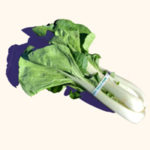
- bok choi
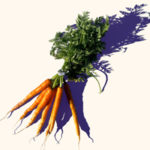
- carrots
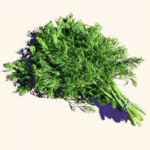
- dill

- karinata kale
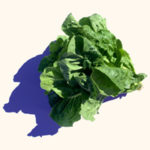
- lettuce
- mandarin oranges
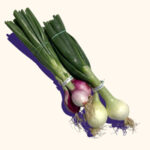
- spring onions
*Click on produce above for Recipes
Flower of the Week: Anemones
Veggie Tips
Bok Choi – This week you’re getting some beautiful white-stemmed (joi choi) or the shorter green-stemmed (mei qing, or Shanghai). It makes a great stir-fry (with potatoes or carrots and spring onions too) and it is also excellent in soup (add carrots), stew, noodles, curry, a warm salad, or enjoy it raw in a salad (plus more salad ideas on our website). You can also braise (add dill), grill or roast bok choi (you can also roast with gnocchi or make choi chips!). We have some ideas on our website and this website discusses prep and cooking tips. Less conventional ideas: tacos, pesto, or risotto. Additional ideas here or here. Store in the refrigerator in a bag. There can be some dirt trapped in the inner leaves of the bok choi; make sure to wash well, or soak, and removing the leaves can be helpful.
Carrots – These carrots may not look the prettiest but they taste great. We had to harvest our super sweet winter carrots before they bolted. Bolting is a term used to describe vegetable plants that have prematurely begun to flower. Carrots are biennials, which means they usually flower in their second year. For us, the carrots that we plant in fall (which these are) will often go to flower as we get to the longer days and warmer weather of spring (vernalization). So we recently did a mass carrot harvest and are now removing the carrots from storage, washing them, and packing them for your boxes. For some reason, despite running them through our root washer, they still look a little grubby. Try giving them one more scrub, and you can always peel them. For longer term storage, we recommend a plastic bag instead of the wax bags that they come in. If your carrots do get a little limp, you can revive them by putting them in water, even for just five minutes. See the Recipe of the Week and check out the many excellent recipes on our website, including carrot and dill soup from the new Full Belly cookbook. This carrot cake recipe comes highly recommended by a CSA member. What are your favorite carrot recipes? If you want more carrots, order a bulk 5# bag, available now in the CSA member shop.
Dill – A classic spring herb! It’s easy to use it all up in one particularly herb-heavy dish (like kuku sabzi, dill pesto, sauce, or add to rice), but if you’re using small amounts the best way to keep it fresh is to store it in the refrigerator in a glass of water covered with a bag, or with a paper towel in a plastic bag. Don’t wash the dill until you’re going to use it; you don’t want it to dry out but excess moisture will make it go bad. If you really want to extend the time you have for your dill, you can dry or freeze it. Dill is a good addition roasted or sautéed vegetables (like the Recipe of the Week), yogurt sauces (would be great with roasted carrots), salads, or popcorn. We have many good recipes on our website and you can find additional ideas here.
Karinata Kale – This beautiful purple kale is a cross between mustard greens and kale with a unique taste. We’re one of only three farms (that we know of) that grow it! Use as you would any kale or mustard green, but beware that it may stain your food purple! We’ve got many kale recipe ideas on our website. Store in the refrigerator in a bag to keep from wilting.
Lettuce – Store in a bag in the refrigerator, or wrapped in a damp towel, to keep it from drying out. And if it does get a little wilty before you get to it, lettuce (like most leafy greens) can be revived in cold water (more details here). Salad options abound (add dill and spring onions, or roasted carrots) and we have a few recipe ideas on our lettuce and salad mix pages. Don’t be afraid to cook your lettuce either, especially if you get a little gem (a sturdy cross between romaine and butter lettuce). They’re great braised, stir-fried, grilled, pan fried, and more!
Mandarin Oranges – These are Gold Nugget (light orange, bumpy skin) or Tango (deep orange, smooth skin) mandarins from Gold Oak Ranch. They may be stored in a cool, dark spot for a few days, or even on your counter but ideally should be refrigerated to extend shelf life up to two weeks. Want more? You can order a bulk bag in the CSA member store.
Spring Onions – Spring onions are immature onions; you will see the bulbs bulk up over time, and once they are full size, we’ll dry and cure them. We’re mostly harvesting white cippolini onions, which have a flatter, squatter shape. Compared to cured onions, they have a brighter, fresher flavor, which makes them good for raw applications. They should be stored in the refrigerator, sealed well in a plastic bag (or your preferred non-plastic alternative), and they’ll stay fresh for about two weeks. Don’t throw out the tops! Use the tops just like you would scallions, and they’re perfect for scallion pancakes, tabbouleh, onion powder, or dip. More ideas here. A few more ideas for your onions: add to a stir-fry (with carrots and bok choi), roasted, grilled (Spaniards like grilled spring onions with romesco or you can make a sauce with the tops), pickled, in a salad, with pasta, with teriyaki tofu, or any of the dishes on this list or on our website.
Wednesday: April 8
- bok choi
- carrots
- dill
- karinata kale
- lettuce
- mandarin oranges
- spring onions
*Click on produce above for Recipes
Flower of the Week: Anemones
Veggie Tips
Bok Choi – This week you’re getting some beautiful white-stemmed (joi choi) or the shorter green-stemmed (mei qing, or Shanghai). It makes a great stir-fry (with potatoes or carrots and spring onions too) and it is also excellent in soup (add carrots), stew, noodles, curry, a warm salad, or enjoy it raw in a salad (plus more salad ideas on our website). You can also braise (add dill), grill or roast bok choi (you can also roast with gnocchi or make choi chips!). We have some ideas on our website and this website discusses prep and cooking tips. Less conventional ideas: tacos, pesto, or risotto. Additional ideas here or here. Store in the refrigerator in a bag. There can be some dirt trapped in the inner leaves of the bok choi; make sure to wash well, or soak, and removing the leaves can be helpful.
Carrots – These carrots may not look the prettiest but they taste great. We had to harvest our super sweet winter carrots before they bolted. Bolting is a term used to describe vegetable plants that have prematurely begun to flower. Carrots are biennials, which means they usually flower in their second year. For us, the carrots that we plant in fall (which these are) will often go to flower as we get to the longer days and warmer weather of spring (vernalization). So we recently did a mass carrot harvest and are now removing the carrots from storage, washing them, and packing them for your boxes. For some reason, despite running them through our root washer, they still look a little grubby. Try giving them one more scrub, and you can always peel them. For longer term storage, we recommend a plastic bag. If your carrots do get a little limp, you can revive them by putting them in water, even for just five minutes. See the Recipe of the Week and check out the many excellent recipes on our website, including carrot and dill soup from the new Full Belly cookbook. This carrot cake recipe comes highly recommended by a CSA member. What are your favorite carrot recipes? If you want more carrots, order a bulk 5# bag, available now in the CSA member shop.
Dill – A classic spring herb! It’s easy to use it all up in one particularly herb-heavy dish (like kuku sabzi, dill pesto, sauce, or add to rice), but if you’re using small amounts the best way to keep it fresh is to store it in the refrigerator in a glass of water covered with a bag, or with a paper towel in a plastic bag. Don’t wash the dill until you’re going to use it; you don’t want it to dry out but excess moisture will make it go bad. If you really want to extend the time you have for your dill, you can dry or freeze it. Dill is a good addition roasted or sautéed vegetables (like the Recipe of the Week), yogurt sauces (would be great with roasted carrots), salads, or popcorn. We have many good recipes on our website and you can find additional ideas here.
Karinata Kale – This beautiful purple kale is a cross between mustard greens and kale with a unique taste. We’re one of only three farms (that we know of) that grow it! Use as you would any kale or mustard green, but beware that it may stain your food purple! We’ve got many kale recipe ideas on our website. Store in the refrigerator in a bag to keep from wilting.
Lettuce – Store in a bag in the refrigerator, or wrapped in a damp towel, to keep it from drying out. And if it does get a little wilty before you get to it, lettuce (like most leafy greens) can be revived in cold water (more details here). Salad options abound (add dill and spring onions, or roasted carrots) and we have a few recipe ideas on our lettuce and salad mix pages. Don’t be afraid to cook your lettuce either, especially if you get romaine or little gem (a sturdy cross between romaine and butter lettuce). Romaine can stir-fried, sautéed, or grilled and little gems can too (braised, stir-fried, grilled, pan fried, and more)!
Mandarin Oranges – These are Gold Nugget (light orange, bumpy skin) or Tango (deep orange, smooth skin) mandarins from Gold Oak Ranch. They may be stored in a cool, dark spot for a few days, or even on your counter but ideally should be refrigerated to extend shelf life up to two weeks. Want more? You can order a bulk bag in the CSA member store.
Spring Onions – Spring onions are immature onions; you will see the bulbs bulk up over time, and once they are full size, we’ll dry and cure them. We’re mostly harvesting white cippolini onions, which have a flatter, squatter shape. Compared to cured onions, they have a brighter, fresher flavor, which makes them good for raw applications. They should be stored in the refrigerator, sealed well in a plastic bag (or your preferred non-plastic alternative), and they’ll stay fresh for about two weeks. Don’t throw out the tops! Use the tops just like you would scallions, and they’re perfect for scallion pancakes, tabbouleh, onion powder, or dip. More ideas here. A few more ideas for your onions: add to a stir-fry (with carrots and bok choi), roasted, grilled (Spaniards like grilled spring onions with romesco or you can make a sauce with the tops), pickled, in a salad, with pasta, with teriyaki tofu, or any of the dishes on this list or on our website.
Thursday: April 9
- bok choi
- carrots
- dill
- karinata kale
- lettuce
- mandarin oranges
- spring onions
*Click on produce above for Recipes
Flower of the Week: Anemones
Veggie Tips
Bok Choi – This week you’re getting some beautiful white-stemmed (joi choi) or the shorter green-stemmed (mei qing, or Shanghai). It makes a great stir-fry (with potatoes or carrots and spring onions too) and it is also excellent in soup (add carrots), stew, noodles, curry, a warm salad, or enjoy it raw in a salad (plus more salad ideas on our website). You can also braise (add dill), grill or roast bok choi (you can also roast with gnocchi or make choi chips!). We have some ideas on our website and this website discusses prep and cooking tips. Less conventional ideas: tacos, pesto, or risotto. Additional ideas here or here. Store in the refrigerator in a bag. There can be some dirt trapped in the inner leaves of the bok choi; make sure to wash well, or soak, and removing the leaves can be helpful.
Carrots – These carrots may not look the prettiest but they taste great. We had to harvest our super sweet winter carrots before they bolted. Bolting is a term used to describe vegetable plants that have prematurely begun to flower. Carrots are biennials, which means they usually flower in their second year. For us, the carrots that we plant in fall (which these are) will often go to flower as we get to the longer days and warmer weather of spring (vernalization). So we recently did a mass carrot harvest and are now removing the carrots from storage, washing them, and packing them for your boxes. For some reason, despite running them through our root washer, they still look a little grubby. Try giving them one more scrub, and you can always peel them. For longer term storage, we recommend a plastic bag. If your carrots do get a little limp, you can revive them by putting them in water, even for just five minutes. See the Recipe of the Week and check out the many excellent recipes on our website, including carrot and dill soup from the new Full Belly cookbook. This carrot cake recipe comes highly recommended by a CSA member. What are your favorite carrot recipes? If you want more carrots, order a bulk 5# bag, available now in the CSA member shop.
Dill – A classic spring herb! It’s easy to use it all up in one particularly herb-heavy dish (like kuku sabzi, dill pesto, sauce, or add to rice), but if you’re using small amounts the best way to keep it fresh is to store it in the refrigerator in a glass of water covered with a bag, or with a paper towel in a plastic bag. Don’t wash the dill until you’re going to use it; you don’t want it to dry out but excess moisture will make it go bad. If you really want to extend the time you have for your dill, you can dry or freeze it. Dill is a good addition roasted or sautéed vegetables (like the Recipe of the Week), yogurt sauces (would be great with roasted carrots), salads, or popcorn. We have many good recipes on our website and you can find additional ideas here.
Karinata Kale – This beautiful purple kale is a cross between mustard greens and kale with a unique taste. We’re one of only three farms (that we know of) that grow it! Use as you would any kale or mustard green, but beware that it may stain your food purple! We’ve got many kale recipe ideas on our website. Store in the refrigerator in a bag to keep from wilting.
Lettuce – Store in a bag in the refrigerator, or wrapped in a damp towel, to keep it from drying out. And if it does get a little wilty before you get to it, lettuce (like most leafy greens) can be revived in cold water (more details here). Salad options abound (add dill and spring onions, or roasted carrots) and we have a few recipe ideas on our lettuce and salad mix pages. Don’t be afraid to cook your lettuce either, especially if you get romaine or little gem (a sturdy cross between romaine and butter lettuce). Romaine can stir-fried, sautéed, or grilled and little gems can too (braised, stir-fried, grilled, pan fried, and more)!
Mandarin Oranges – These are Gold Nugget (light orange, bumpy skin) or Tango (deep orange, smooth skin) mandarins from Gold Oak Ranch. They may be stored in a cool, dark spot for a few days, or even on your counter but ideally should be refrigerated to extend shelf life up to two weeks. Want more? You can order a bulk bag in the CSA member store.
Spring Onions – Spring onions are immature onions; you will see the bulbs bulk up over time, and once they are full size, we’ll dry and cure them. We’re mostly harvesting white cippolini onions, which have a flatter, squatter shape. Compared to cured onions, they have a brighter, fresher flavor, which makes them good for raw applications. They should be stored in the refrigerator, sealed well in a plastic bag (or your preferred non-plastic alternative), and they’ll stay fresh for about two weeks. Don’t throw out the tops! Use the tops just like you would scallions, and they’re perfect for scallion pancakes, tabbouleh, onion powder, or dip. More ideas here. A few more ideas for your onions: add to a stir-fry (with carrots and bok choi), roasted, grilled (Spaniards like grilled spring onions with romesco or you can make a sauce with the tops), pickled, in a salad, with pasta, with teriyaki tofu, or any of the dishes on this list or on our website.
Friday: April 10
- bok choi
- carrots

- cilantro
- karinata kale
- lettuce
- mandarin oranges
- spring onions
*Click on produce above for Recipes
Flower of the Week: Anemones
Veggie Tips
Bok Choi – This week you’re getting some beautiful white-stemmed (joi choi) or the shorter green-stemmed (mei qing, or Shanghai). It makes a great stir-fry – see the Recipe of the Week, or this one with potatoes. It is also excellent in soup (add carrots), stew, noodles, curry, a warm salad, or enjoy it raw in a salad (plus more salad ideas on our website). You can also braise, grill or roast bok choi (you can also roast with gnocchi or make choi chips!). We have some ideas on our website and this website discusses prep and cooking tips. Less conventional ideas: tacos, pesto, or risotto. Additional ideas here or here. Store in the refrigerator in a bag. There can be some dirt trapped in the inner leaves of the bok choi; make sure to wash well, or soak, and removing the leaves can be helpful.
Carrots – These carrots may not look the prettiest but they taste great. We had to harvest our super sweet winter carrots before they bolted. Bolting is a term used to describe vegetable plants that have prematurely begun to flower. Carrots are biennials, which means they usually flower in their second year. For us, the carrots that we plant in fall (which these are) will often go to flower as we get to the longer days and warmer weather of spring (vernalization). So we recently did a mass carrot harvest and are now removing the carrots from storage, washing them, and packing them for your boxes. For some reason, despite running them through our root washer, they still look a little grubby. Try giving them one more scrub, and you can always peel them. For longer term storage, we recommend a plastic bag. If your carrots do get a little limp, you can revive them by putting them in water, even for just five minutes. See the Recipe of the Week and check out the many excellent recipes on our website. This carrot cake recipe comes highly recommended by a CSA member. What are your favorite carrot recipes? If you want more carrots, order a bulk 5# bag, available now in the CSA member shop.
Cilantro – Cilantro can be added to almost any dish; we’ve got additional ideas on our website (there’s a cilantro page and a general herb one). You can use up a lot at once by making a sauce like mojo verde, pesto (with bok choi too), chermoula, dressing, chutney or yogurt sauce. Or add to a salad, like this one with carrots or you can make a cilantro salad. And don’t discard the stems – they’ve got lots of flavor and have many uses (like this sauce and the ideas on this article). Don’t let your cilantro bunch go slimy! For optimal storage, you have a few options: 1) Roll the cilantro in a paper towel or lightweight cloth towel and store in a bag or container in the refrigerator. Don’t chop or wash your cilantro before storing (washing can be ok if you get it completely dry before storing). 2) Place them upright in a clean glass or jar filled with an inch of water, as you would a bouquet of flowers then loosely cover the leaves with an upside-down plastic bag and put in the fridge. Change the water regularly.
Karinata Kale – This beautiful purple kale is a cross between mustard greens and kale with a unique taste. We’re one of only three farms (that we know of) that grow it! Use as you would any kale or mustard green, but beware that it may stain your food purple! We’ve got many kale recipe ideas on our website. Store in the refrigerator in a bag to keep from wilting.
Lettuce – Store in a bag in the refrigerator, or wrapped in a damp towel, to keep it from drying out. And if it does get a little wilty before you get to it, lettuce (like most leafy greens) can be revived in cold water (more details here). Salad options abound and we have a few recipe ideas on our lettuce and salad mix pages. We’re harvesting a lot of little gem lettuce. It’s a sturdy cross between romaine and butter lettuce. It can be cooked – braising, stir-frying, grilling, pan frying are all great options and this list has more!
Mandarin Oranges – These are Gold Nugget (light orange, bumpy skin) or Tango (deep orange, smooth skin) mandarins from Gold Oak Ranch. They may be stored in a cool, dark spot for a few days, or even on your counter but ideally should be refrigerated to extend shelf life up to two weeks. Want more? You can order a bulk bag in the CSA member store.
Spring Onions – Spring onions are immature onions; you will see the bulbs bulk up over time, and once they are full size, we’ll dry and cure them. We’re mostly harvesting white cippolini onions, which have a flatter, squatter shape. Compared to cured onions, they have a brighter, fresher flavor, which makes them good for raw applications. They should be stored in the refrigerator, sealed well in a plastic bag (or your preferred non-plastic alternative), and they’ll stay fresh for about two weeks. Don’t throw out the tops! Use the tops just like you would scallions, and they’re perfect for scallion pancakes, tabbouleh, onion powder, or dip. More ideas here. See the Recipe of the Week and here’re a few more ideas for your onions: roasted, grilled (Spaniards like grilled spring onions with romesco or you can make a sauce with the tops), pickled, in a salad, with pasta, with teriyaki tofu, or any of the dishes on this list or on our website.
Saturday: April 11
- bok choi
- carrots
- cilantro
- karinata kale
- lettuce
- mandarin oranges
- spring onions
*Click on produce above for Recipes
Flower of the Week: Anemones
Veggie Tips
Bok Choi – This week you’re getting some beautiful white-stemmed (joi choi) or the shorter green-stemmed (mei qing, or Shanghai). It makes a great stir-fry – see the Recipe of the Week, or this one with potatoes. It is also excellent in soup (add carrots), stew, noodles, curry, a warm salad, or enjoy it raw in a salad (plus more salad ideas on our website). You can also braise, grill or roast bok choi (you can also roast with gnocchi or make choi chips!). We have some ideas on our website and this website discusses prep and cooking tips. Less conventional ideas: tacos, pesto, or risotto. Additional ideas here or here. Store in the refrigerator in a bag. There can be some dirt trapped in the inner leaves of the bok choi; make sure to wash well, or soak, and removing the leaves can be helpful.
Carrots – These carrots may not look the prettiest but they taste great. We had to harvest our super sweet winter carrots before they bolted. Bolting is a term used to describe vegetable plants that have prematurely begun to flower. Carrots are biennials, which means they usually flower in their second year. For us, the carrots that we plant in fall (which these are) will often go to flower as we get to the longer days and warmer weather of spring (vernalization). So we recently did a mass carrot harvest and are now removing the carrots from storage, washing them, and packing them for your boxes. For some reason, despite running them through our root washer, they still look a little grubby. Try giving them one more scrub, and you can always peel them. For longer term storage, we recommend a plastic bag. If your carrots do get a little limp, you can revive them by putting them in water, even for just five minutes. See the Recipe of the Week and check out the many excellent recipes on our website. This carrot cake recipe comes highly recommended by a CSA member. What are your favorite carrot recipes? If you want more carrots, order a bulk 5# bag, available now in the CSA member shop.
Cilantro – Cilantro can be added to almost any dish; we’ve got additional ideas on our website (there’s a cilantro page and a general herb one). You can use up a lot at once by making a sauce like mojo verde, pesto (with bok choi too), chermoula, dressing, chutney or yogurt sauce. Or add to a salad, like this one with carrots or you can make a cilantro salad. And don’t discard the stems – they’ve got lots of flavor and have many uses (like this sauce and the ideas on this article). Don’t let your cilantro bunch go slimy! For optimal storage, you have a few options: 1) Roll the cilantro in a paper towel or lightweight cloth towel and store in a bag or container in the refrigerator. Don’t chop or wash your cilantro before storing (washing can be ok if you get it completely dry before storing). 2) Place them upright in a clean glass or jar filled with an inch of water, as you would a bouquet of flowers then loosely cover the leaves with an upside-down plastic bag and put in the fridge. Change the water regularly.
Karinata Kale – This beautiful purple kale is a cross between mustard greens and kale with a unique taste. We’re one of only three farms (that we know of) that grow it! Use as you would any kale or mustard green, but beware that it may stain your food purple! We’ve got many kale recipe ideas on our website. Store in the refrigerator in a bag to keep from wilting.
Lettuce – Store in a bag in the refrigerator, or wrapped in a damp towel, to keep it from drying out. And if it does get a little wilty before you get to it, lettuce (like most leafy greens) can be revived in cold water (more details here). Salad options abound and we have a few recipe ideas on our lettuce and salad mix pages. We’re harvesting a lot of little gem lettuce. It’s a sturdy cross between romaine and butter lettuce. It can be cooked – braising, stir-frying, grilling, pan frying are all great options and this list has more!
Mandarin Oranges – These are Gold Nugget (light orange, bumpy skin) or Tango (deep orange, smooth skin) mandarins from Gold Oak Ranch. They may be stored in a cool, dark spot for a few days, or even on your counter but ideally should be refrigerated to extend shelf life up to two weeks. Want more? You can order a bulk bag in the CSA member store.
Spring Onions – Spring onions are immature onions; you will see the bulbs bulk up over time, and once they are full size, we’ll dry and cure them. We’re mostly harvesting white cippolini onions, which have a flatter, squatter shape. Compared to cured onions, they have a brighter, fresher flavor, which makes them good for raw applications. They should be stored in the refrigerator, sealed well in a plastic bag (or your preferred non-plastic alternative), and they’ll stay fresh for about two weeks. Don’t throw out the tops! Use the tops just like you would scallions, and they’re perfect for scallion pancakes, tabbouleh, onion powder, or dip. More ideas here. See the Recipe of the Week and here’re a few more ideas for your onions: roasted, grilled (Spaniards like grilled spring onions with romesco or you can make a sauce with the tops), pickled, in a salad, with pasta, with teriyaki tofu, or any of the dishes on this list or on our website.